
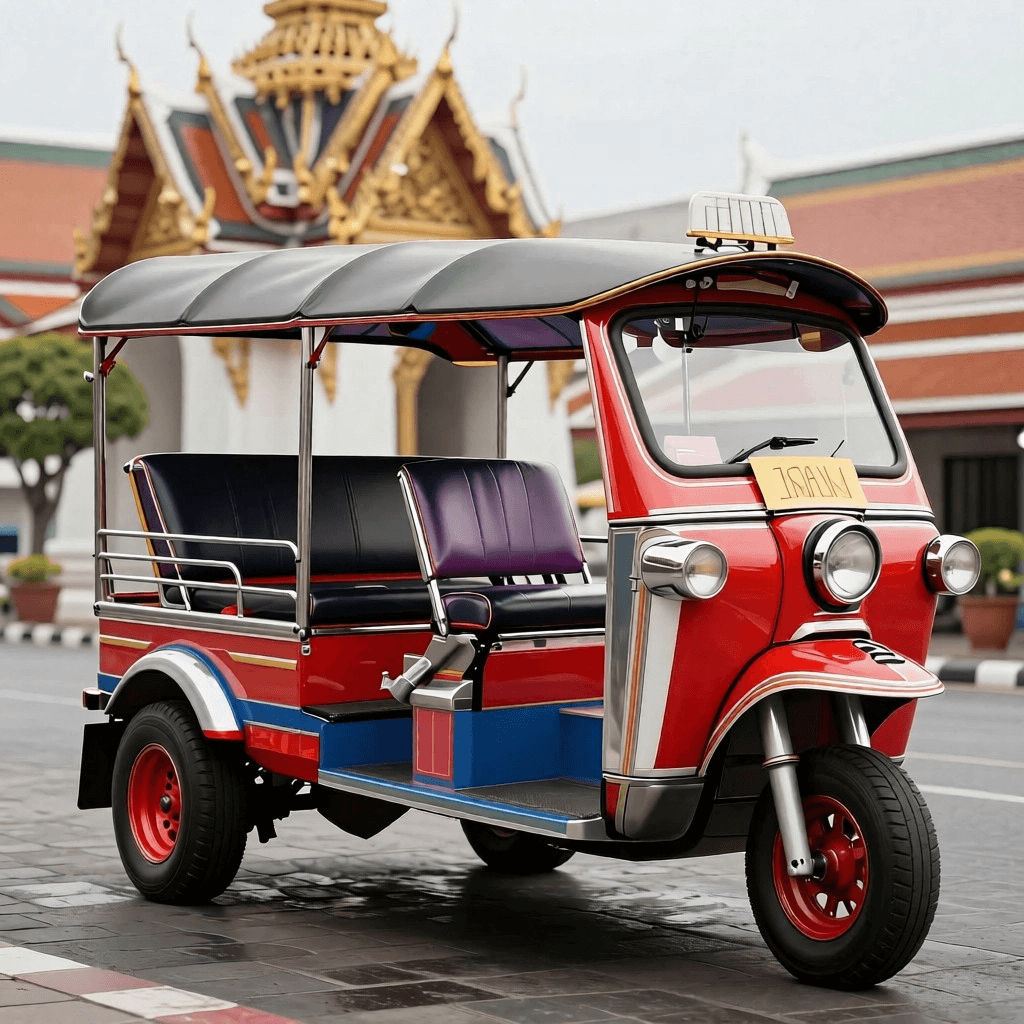
Anyone who has traveled through Southeast Asia knows the particular anxiety of stepping out of an airport terminal into a wall of drivers shouting for your business. Tuk-tuks and taxis are part of the charm of travel in this region — cheap, fast, and often the only practical way to get around. But they are also home to some of the most persistent and creative scams travelers encounter. Understanding how these taxi scams work is the best defense against them, and the good news is that once you know the patterns, they become almost comically easy to spot.
The Meter That Isn’t Running
The most basic taxi scam is also the most common: the driver simply doesn’t turn on the meter, or claims it’s broken. Once you arrive at your destination, you’re quoted a price far higher than the metered fare would have been — and because you have no receipt or reference point, you have little leverage to argue. This is rampant in cities like Bangkok, Ho Chi Minh City, and parts of India. The fix is simple but requires vigilance: before the car moves, ask the driver to start the meter, and if they refuse or claim it’s broken, get out and find another cab. There are always more taxis. The U.S. Department of State suggests you negotiate the fare beforehand in Thailand.
The Rigged Meter
A sneakier variation involves a meter that does run — but has been tampered with to increase faster than it should, sometimes with a hidden switch the driver can flip. This is harder to detect in the moment, but ride-hailing apps like Grab (Southeast Asia), Gojek (Indonesia), or local equivalents have largely solved this problem by fixing the fare before the ride begins. When a metered taxi is your only option, having a rough sense of what a normal fare “should” cost for the distance — checked in advance via a map app — gives you a reference point to notice something’s wrong.
“That Hotel Is Closed”
This one targets travelers heading to a specific hotel or guesthouse, especially in cities like Jaipur, Bangkok, or Phnom Penh. The driver insists your hotel is closed, fully booked, burned down, or simply “very bad,” and offers to take you somewhere better instead — a hotel that, unsurprisingly, pays the driver a commission for every tourist delivered. The best response is calm persistence: insist on going to your original destination regardless of what you’re told, and if the driver won’t comply, get out and hail another ride. Calling the hotel yourself to confirm it’s open, if you have signal, ends the argument instantly.
The Detour Through a “Gem Shop” or Tailor
Particularly notorious in Bangkok and parts of India, this scam usually starts with a driver offering an unusually cheap or even free ride, sometimes framed as a special government promotion or a favor. The catch is a required stop at a gem shop, tailor, or souvenir store, where the driver receives a commission simply for bringing you through the door, and where high-pressure sales tactics push overpriced or fake goods. If a deal for transportation sounds suspiciously generous, that’s the signal. Politely declining any “quick stop” and insisting on going directly to your destination avoids the entire situation.
The Nightlife Detour
A close cousin of the gem-shop scam, this one targets travelers heading out for the evening rather than sightseeing. A driver offers a cheap or even free ride and steers you toward a specific bar or club — often framed as “the best spot” or somewhere with a special deal — because the venue pays a commission for every customer the driver delivers. Once inside, the overbilling starts: menus with no visible prices, “hostess” or companion drinks with steep markups, sudden cover or service charges, and extra rounds quietly added to the tab. This is especially common in nightlife districts of Bangkok, Phnom Penh, and similar tourist zones, where drivers cluster specifically to intercept people heading out for the night. Avoiding this problem is similar to the gem-shop version: decide on your destination before getting in, be skeptical of any driver pushing a specific venue, ask to see prices before ordering, and check the bill line by line before paying.
The Broken Change Trick
Small but irritating: after a short ride, the driver claims not to have change for a large bill, hoping the tourist will simply say “keep it,” padding the fare significantly. Carrying smaller denominations, especially in the first day or two in a new country, removes this leverage entirely.
The Airport Queue Switch
At many major airports, official taxi ranks exist specifically to prevent scams, but touts posing as taxi staff will intercept travelers before they reach the queue, leading them to an unmetered “taxi” that’s really just someone’s private car. The rule here is straightforward: ignore anyone who approaches you before you reach a clearly marked taxi stand or app-based pickup point, and never hand over a bag or follow someone toward a vehicle you haven’t identified yourself.
Be Prepared, Not Paranoid About Taxi Scams
None of this means avoiding tuk-tuks and taxis altogether — they remain one of the best ways to experience a city and interact with local drivers, many of whom are honest and simply trying to make a living. The goal isn’t suspicion of everyone, but recognition of patterns. Use ride-hailing apps where available, agree on a price or confirm the meter before departure, keep small bills on hand, and trust your instincts when something feels engineered rather than incidental. Scams thrive on travelers who don’t know what to expect; a little awareness turns most of these tricks into non-issues, leaving more room to actually enjoy the ride.