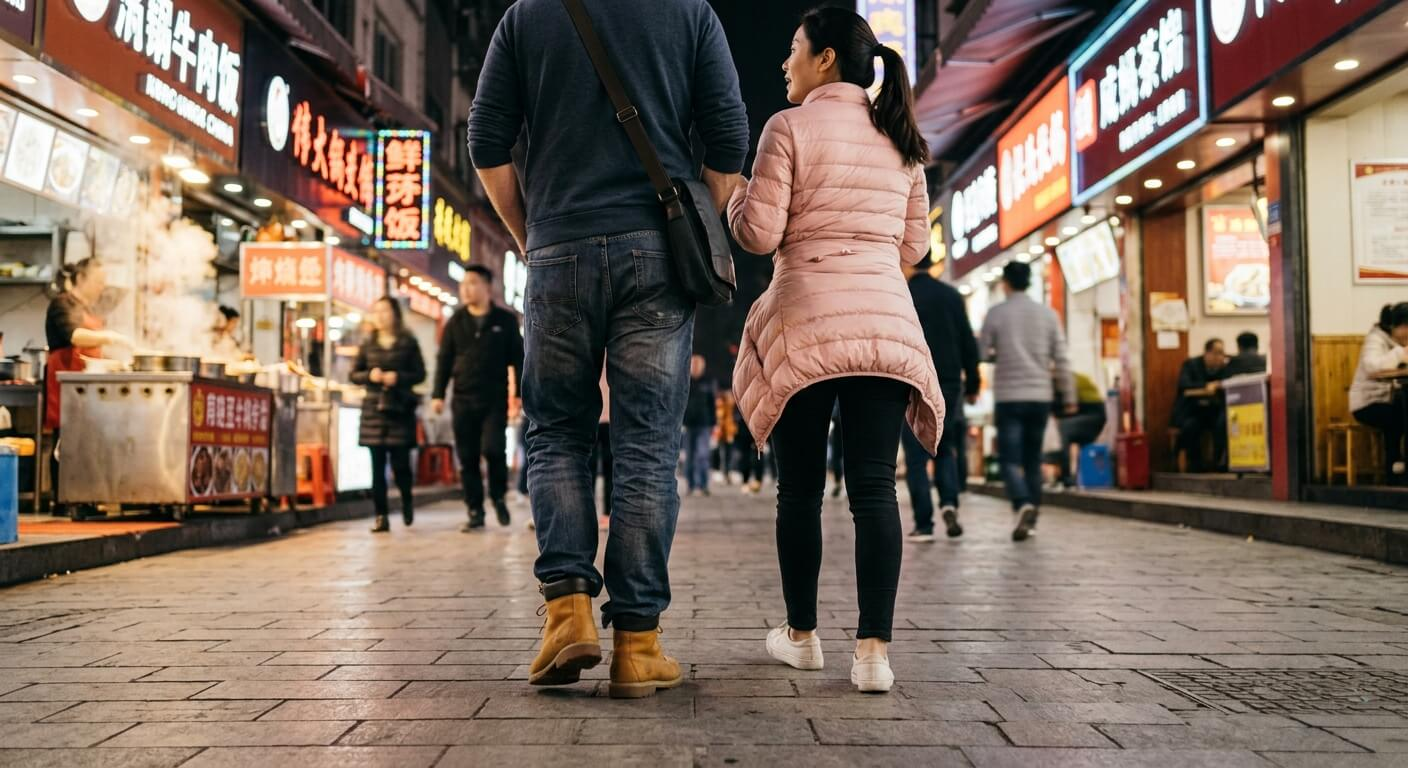
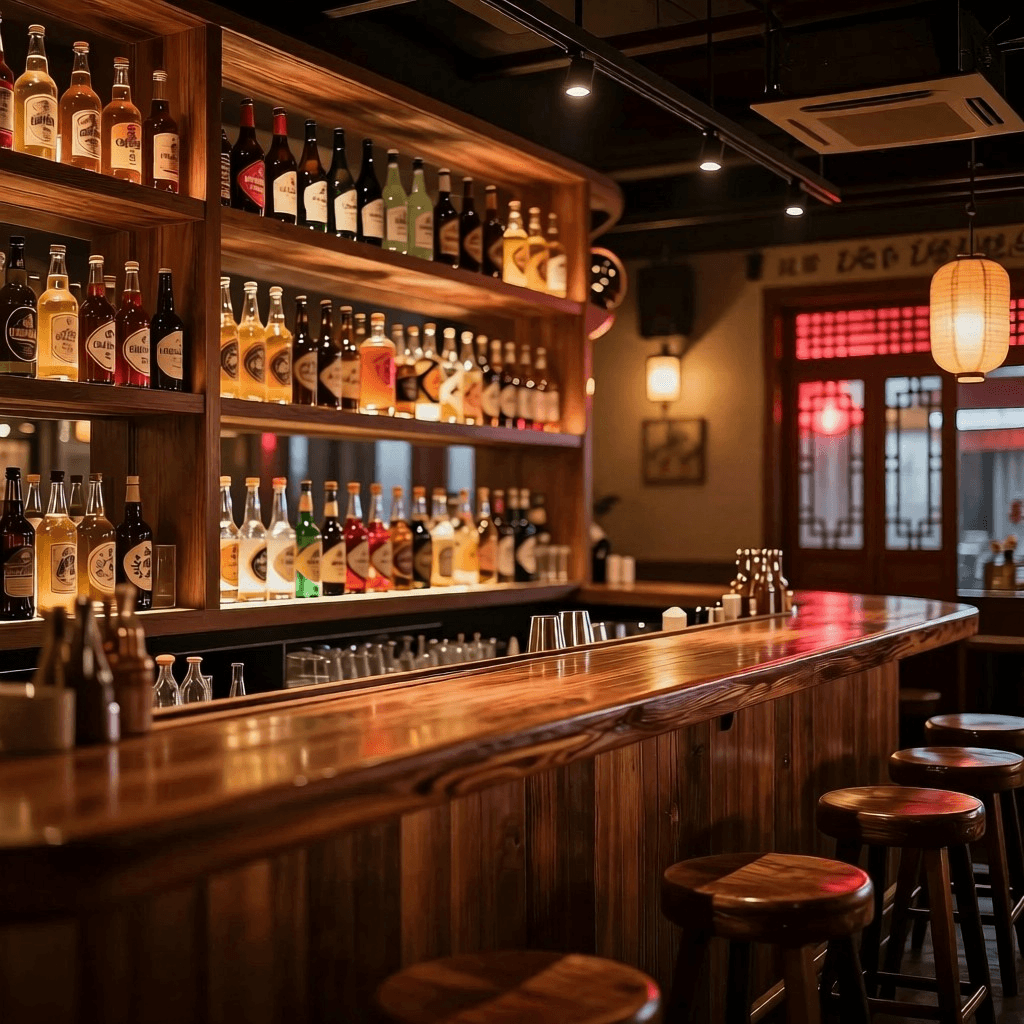
Asia’s nightlife is one of the continent’s biggest draws — from the neon-lit strips of Bangkok‘s Sukhumvit Road to the rooftop bars of Ho Chi Minh City and the karaoke lounges of Manila. Millions of tourists enjoy these scenes safely every year. But in the same entertainment districts that draw travelers in, a small but persistent criminal ecosystem has developed around separating visitors — particularly Western men traveling alone or in small groups — from their money. Understanding how these scams work will help you avoid falling for them.
The “Lady Drink” Scam
Perhaps the most widespread version involves a friendly local woman (or sometimes a group) who approaches a foreign man at a bar and strikes up a conversation. She’s charming, attentive, and seems genuinely interested. She orders a drink — often something innocuous-sounding — and the conversation continues. When the bill arrives, that single drink might cost the equivalent of $30–$100 USD, far above menu price, and staff may become aggressive or intimidating if the customer refuses to pay. In some venues, the woman receives a commission for every drink she convinces a customer to buy, which is technically legal in some establishments but becomes a scam when prices are deliberately hidden or misrepresented.
The U.S. Department of State has warned about this as well as other scams in Thailand. The Canadian government has warned travelers of this scam in Vietnam. It’s worth noting that this type of scam can happen in any country, and travelers will tend to be the targets of this.
Bill Padding and Fake Menus
Some bars operate with two menus, or none at all. Prices are quoted verbally, and by the end of the night the tab includes drinks never ordered, inflated “service charges,” or a cover charge that was never mentioned at the door. Because many of these venues deal in cash and discourage phones or photos at the table, it’s difficult to dispute charges after the fact. Staff — sometimes including large security personnel — may crowd around the table when the bill is presented, applying social pressure to pay quickly rather than question the total.
The “Club Crawl” or Tuk-Tuk Referral Scam
A friendly local, sometimes a tuk-tuk or taxi driver, offers to take a tourist to a “great bar” or “authentic local spot,” often for free or a token fee. The driver receives a commission for delivering customers, and the venue is set up specifically to overcharge unfamiliar visitors before hustling them back out. This scam is common in Bangkok, Phnom Penh, and parts of Vietnam.
Ladyboy and Companion Blackmail Scams
A less common but more serious variant involves a companion who accompanies a tourist back to a hotel room, after which accomplices — sometimes posing as police or hotel security — threaten to expose the encounter, demand payment, or in rare cases attempt outright robbery or extortion. These situations can escalate quickly and are best avoided by never bringing a stranger back to a private room, regardless of how the evening has gone.
Spiked Drinks
In a small number of documented cases, drinks have been spiked with sedatives, after which the victim is robbed, overcharged, or in extreme cases assaulted. This is not unique to Asia — it happens in nightlife districts worldwide — but travelers should apply the same caution they would at home: never leave a drink unattended, and be wary of accepting drinks from strangers you didn’t watch being poured.
How to Protect Yourself
- Check prices before ordering anything. Ask to see a physical menu with prices printed, and confirm the price verbally if none exists.
- Avoid venues that don’t display prices at all, especially ones where drinks are ordered “on your behalf.”
- Carry only the cash you’re willing to lose for a night out, and leave the rest, along with your passport, in a hotel safe.
- Be skeptical of unsolicited friendliness from touts, drivers, or strangers who offer to guide you to a bar — reputable venues don’t need street recruiters.
- Photograph the menu and your bill as you go, which discourages padding and gives you a record if a dispute arises.
- Travel with a friend when possible, and let someone know where you’re going.
- If a bill seems inflated, offer to pay for what you can verify you ordered and involve hotel staff or tourist police rather than escalating with bar staff directly.
- Never bring a stranger to your hotel room, and be cautious about how much personal information (name, room number, employer) you share with new acquaintances.
A Note on Fairness
It’s worth stressing that these scams are run by a relatively small number of operators exploiting tourist unfamiliarity — they are not representative of the region, its culture, or its people, the vast majority of whom are as unwelcoming of these scams as any visitor would be. Most bars, restaurants, and nightlife venues across Asia operate honestly, and tourist police in cities like Bangkok, Pattaya, and Manila actively work to shut down known scam operations. Awareness, not fear, is the right posture: know the common patterns, stay alert in unfamiliar venues, and the vast majority of a trip will go exactly as planned.